Key Takeaways
Rental KPIs help landlords monitor income, costs, vacancies, and investment returns.
Occupancy, leasing time, collections, and renewals reveal operational performance.
NOI, operating expense ratio, cash flow, and cash-on-cash return show financial performance from different angles.
Compare results over time and with similar properties before making changes.
Property management reporting can make regular performance reviews easier.
A rental property can collect rent consistently and still underperform. Rising maintenance costs, lengthy vacancies, or missed opportunities to adjust pricing can gradually reduce an owner's returns.
Key performance indicators (KPIs) help landlords measure how their properties are operating and earning. Rather than relying on assumptions, investors can use a few consistent metrics to guide budgeting, leasing, maintenance, and investment decisions.
This guide from Next Step Realty Management explains ten useful rental KPIs and how Boise-area property owners can apply them.
Schedule Your Free Consultation
Why Rental KPIs Matter
KPIs reveal patterns that individual transactions may hide. For example, recurring vacancies could indicate pricing problems, while rising repair expenses might suggest aging equipment. Comparing metrics across periods and similar properties helps landlords decide where attention is needed.
KPI 1: Occupancy Rate
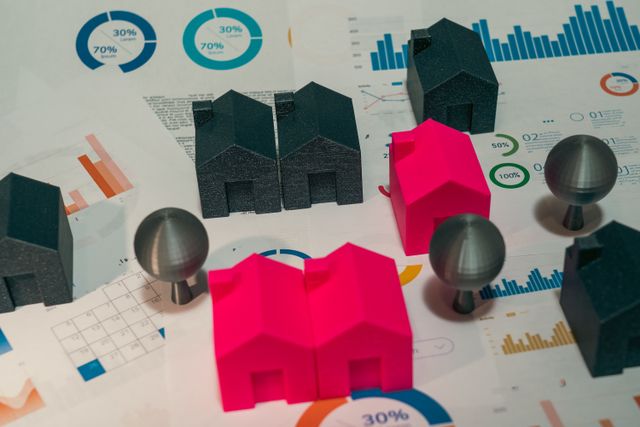
Occupancy rate measures how consistently a rental is occupied. For one property, divide occupied days by available days in the reporting period and multiply by 100. For a portfolio, use occupied unit-days divided by available unit-days.
A declining rate may signal problems with pricing, marketing, condition, or retention.
Review trends across comparable seasons, since leasing demand can change throughout the year. Also track physical occupancy separately from rent actually collected.
KPI 2: Time To Lease
Time to lease measures the number of days between advertising a property and signing a lease. Track total vacant days separately, since a lease may be signed before move-in.
Long marketing periods may suggest that rent is too high, listing photos need improvement, or the property's condition discourages applicants. Few inquiries may point to limited exposure; frequent showings without applications may point to price or condition. Compare your results with similar Boise-area rentals.
KPI 3: Rent Collection Rate And Delinquency
Divide rent collected toward the reporting period's charges by rent due for that period, then multiply by 100.
Track late or unpaid balances separately to monitor delinquency.
Review these figures monthly, using consistent dates and accounting rules. Persistent problems may require closer attention to communication, payment procedures, and lease enforcement. Apply screening and collection policies consistently and in accordance with applicable law.
KPI 4: Tenant Turnover And Retention
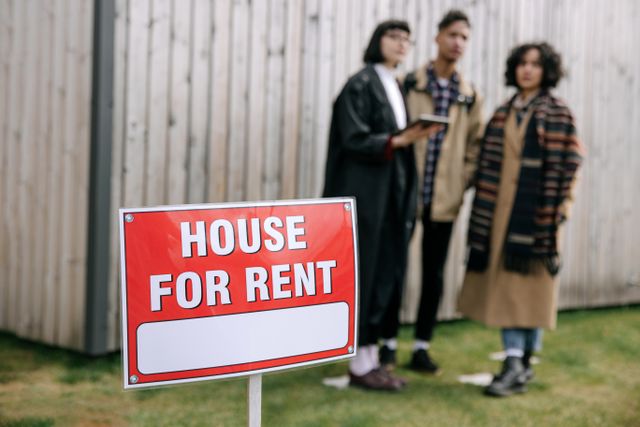
Tenant turnover creates costs for cleaning, repairs, advertising, and lost rent. Track how many leases end without renewal and how many eligible households renew.
Low retention warrants a closer look at maintenance response, rental pricing, and the resident experience.
A renewal isn't always the best financial choice, however; evaluate the property's condition and the proposed lease terms too.
KPI 5: Operating Expense Ratio
The operating expense ratio shows the proportion of effective gross income used to operate a property:
Operating expense ratio = Operating expenses ÷ Effective gross income × 100
Include routine operating costs such as insurance, property taxes, repairs, and management fees. Exclude mortgage payments, income taxes, and capital expenditures from this calculation.
A rising ratio can indicate higher expenses or reduced income. Compare similar properties, since an older duplex and a newer single-family rental may have very different cost structures.
KPI 6: Maintenance Cost Per Unit
Divide total routine maintenance spending by the number of rental units over a consistent period. For a single property, review costs by category, such as plumbing, heating, and appliances.
Repeated repairs to the same system may justify considering replacement. Separate routine maintenance from major capital improvements so year-over-year comparisons remain useful. Maintenance data also helps landlords set realistic reserves.
KPI 7: Net Operating Income (NOI)
NOI measures property income after operating expenses but before financing and income taxes:
NOI = Effective gross income − Operating expenses
It helps landlords compare properties without differences in mortgage terms distorting the results. However, NOI does not show the cash remaining after loan payments or major capital expenditures.
KPI 8: Capitalization Rate
Cap rate estimates the relationship between annual NOI and property value:
Cap rate = Annual NOI ÷ Property value × 100

Investors use cap rates to compare income-producing properties, but differences in location, condition, and risk matter. Cap rates exclude financing and do not predict appreciation or future returns.
KPI 9: Cash Flow And Cash-on-Cash Return
Cash flow is the money remaining after operating expenses, debt service, and relevant cash expenditures. Track it monthly and annually to understand whether rental income covers ownership costs.
Cash-on-cash return compares annual pre-tax cash flow with the cash invested, including the down payment, closing costs, and initial improvements.
Cash-on-cash return = Annual pre-tax cash flow ÷ Total cash invested × 100
This is particularly helpful for landlords financing their purchases, though calculation methods should remain consistent across investments.
KPI 10: Total Return
Total investment return considers cash flow, changes in property value, mortgage principal repayment, and relevant transaction costs. Taxes can also affect an investor's overall return.
Review these factors annually, using realistic assumptions. Appreciation isn't guaranteed, and increases in equity are not immediately spendable cash. Consult a qualified tax professional about tax implications.
Other Useful Indicators
Rent versus market rent: Is the property priced competitively?
Lease expiration dates: Are multiple turnovers likely to coincide?
Work order response times: Are maintenance delays recurring?
Inspection findings: Are small problems identified before they worsen?
How To Track KPIs Without Getting Overwhelmed
Start with occupancy, leasing time, collections, turnover, NOI, and cash flow. Review operational figures monthly and broader investment returns quarterly or annually.

A spreadsheet or property management platform can help keep measurements consistent.
For every significant change, ask what caused it before acting. For example, lower occupancy might call for better photos, repairs, or a pricing review rather than an automatic rent reduction.
A Simple KPI Dashboard Checklist
Occupancy and average marketing time.
Rent due, rent collected, and outstanding balances.
Lease renewals and tenant turnover.
Operating expenses and maintenance costs.
NOI, cap rate, cash flow, and cash-on-cash return.
Current rent compared with comparable properties.
Bottom Line
Rental KPIs help landlords move beyond guesswork. Tracking leasing performance alongside operating costs and returns makes it easier to identify problems, budget for repairs, and evaluate investment decisions.
Next Step Realty Management supports Treasure Valley rental owners with leasing, rent collection, maintenance coordination, and financial reporting. To discuss management options for your Boise-area investment, request a property management consultation or call 208.853.0094.
Schedule Your Free Consultation
Frequently Asked Questions
Which Rental KPIs Should Landlords Prioritize?
Start with occupancy, days on market, rent collection, tenant turnover, NOI, and cash flow. Together, they show whether the property is leasing efficiently and producing sustainable income.
How Often Should Landlords Review KPIs?
Review collections, occupancy, and expenses monthly. Evaluate NOI, cash-on-cash return, and longer-term trends quarterly or annually. Use consistent calculation methods when comparing periods.
What Is A Good Occupancy Rate For A Rental Property?
There is no universal target. Compare occupancy with similar local rentals and the property's own history. A high rate only helps if rent levels and operating costs also support profitability.
How Can Landlords Improve Cash Flow?
Review rental pricing, minimize avoidable vacancy, address recurring maintenance problems, and budget for major replacements. Consider the cost of improvements before assuming they will raise returns.
What's The Difference Between NOI And Cash Flow?
NOI subtracts operating expenses from effective gross income but excludes financing. Cash flow accounts for debt service and other relevant cash expenditures, giving owners a better sense of available funds.
How Can A Property Manager Help Track KPIs?
A manager can provide leasing records, rent collection information, maintenance records, and owner financial statements. Landlords can use these reports to monitor trends and make decisions about their investments.