

Key Takeaways
True emergency maintenance issues pose an immediate risk to tenant safety, prevent essential services, or cause active property damage that will worsen without intervention.
Burst pipes, no heat in winter, gas leaks, active flooding, and lockouts involving a safety risk are emergencies; slow drains, minor leaks, and cosmetic damage generally are not.
Next Step Realty Management provides 24/7 emergency availability so tenants know when and how to reach someone for genuine emergencies.
Clear written protocols reduce tenant frustration, help protect owners from liability, and prevent unnecessary after-hours calls.
Emergency definitions and response expectations should be communicated in the lease and at move-in.
Rental property owners and tenants don’t always agree about what counts as an emergency maintenance issue. A tenant calls at midnight about a leaky faucet. Another reports no heat in January. A third locks themselves out. Are these all emergencies?
Next Step Realty Management handles emergency maintenance coordination for rental properties across the Treasure Valley. This guide explains what qualifies as emergency maintenance, what can wait until business hours, and how clear protocols protect your property and tenants.
What Qualifies as Emergency Maintenance?
An emergency maintenance issue poses an immediate risk to tenant safety, prevents access to essential services, or could cause significant additional property damage if left unaddressed.
The key word is immediate.

True emergencies include:
Burst pipes or active water leaks. Water damage can spread rapidly through flooring, walls, and drywall, so active leaks require immediate intervention.
No heat in winter. Without heat, tenants may face health risks and pipes can freeze. If temperatures are low and the property has no heat, treat it as an emergency.
Gas leaks or the smell of natural gas. Tenants should evacuate immediately and contact the gas utility and emergency services.
Active flooding. Water entering through a ceiling, backing up into a basement, or overflowing continuously requires immediate attention.
Loss of electricity to the entire property or essential systems. A single failed outlet is generally routine maintenance; a complete loss of power may be an emergency.
Lockouts involving a safety risk. Examples include a tenant stranded outside in freezing weather or a parent locked out while a small child is inside.
Broken locks or security breaches. A broken exterior lock, window that cannot close, or forced entry can leave the property unsecured.
No hot water in freezing conditions. A failed water heater may require urgent attention when cold weather creates additional health or freeze risks.
What Is Not an Emergency?
A non-emergency repair does not pose an immediate safety risk, eliminate an essential service, or threaten significant additional damage if it waits until normal business hours.
Common non-emergencies include:
Slow drains or a clogged toilet when another bathroom is available.
Leaky faucets or dripping showerheads.
Minor cosmetic damage, such as cracked tile, peeling paint, dents, or loose cabinet hardware.
Appliance failures with reasonable workarounds, such as a broken dishwasher or dryer.
- Air-conditioning outages during mild weather. During extreme heat, the circumstances and tenant vulnerability may make the issue more urgent.
- Routine pest-control issues, including ants, spiders, or rodent sightings.
- Noise complaints or neighbor disputes, which are management rather than maintenance issues.
- Routine requests to change or add locks.
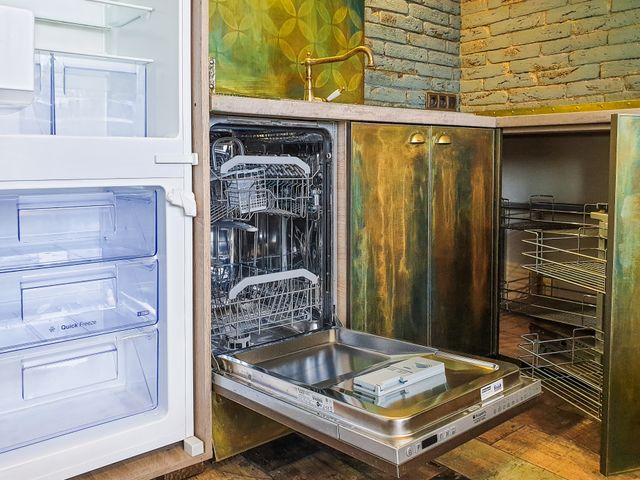
These tasks, while non-emergent, still require prompt attention to ensure tenant satisfaction and prevent issues from become more costly in the future.
Response Time Expectations
Immediate response does not necessarily mean a contractor will arrive within minutes. For example, when a tenant reports no heat overnight in winter, the property manager can contact an emergency HVAC contractor and let the tenant know what to expect. For a burst pipe, the manager can confirm whether the water has been shut off safely while arranging an emergency plumber.
Response expectations should be communicated in the lease. Tenants should know which situations justify an emergency call, how to report them, and how to request routine maintenance.
How Clear Protocols Protect You
Defining emergency and routine maintenance in writing benefits everyone.
Liability protection: Written procedures create a record of how maintenance reports are handled and document your response.
Cost control: Emergency contractors often charge premium rates. Clear criteria reduce unnecessary after-hours dispatches for issues that can safely wait.
Tenant clarity: Most tenants are not intentionally misusing an emergency line; they may need clarification on emergency situations.
Reduced friction: When tenants understand the process before a problem occurs, they know when to call and what response to expect.
Tenant Self-Check Checklist
A short checklist in your move-in packet or lease addendum can help tenants identify emergencies.
It may be an emergency if:
Water is actively leaking or flooding the property.
The property has no heat during freezing or dangerously cold weather.
You smell natural gas.
You are locked out in dangerous weather or a child is locked inside.
A broken door or window lock leaves the property unsecured.
A toilet is overflowing and will not stop.
The entire property has lost electricity.
A pipe has burst or is actively spraying water.
It is generally not an emergency if:
A toilet is clogged but another bathroom is available.
A faucet or shower is dripping slowly.
An appliance has failed but there is a reasonable workaround.
The issue is cosmetic.
The AC is out during mild weather.
You are locked out during normal daytime hours without an immediate safety risk.
What Happens If a Tenant Misuses the Emergency Line?
Document after-hours calls, including the date, time, issue reported, and response. If a tenant repeatedly calls about non-emergencies, send a written reminder explaining the emergency protocol and how to submit routine requests.
Documentation provides a record if the tenant later claims a maintenance report was ignored. Repeated misuse can then be addressed according to the lease and applicable law.
Bottom Line
Emergency maintenance requires a balance: failing to respond to an emergency can lead to serious property damage or safety risks, while treating every repair as an emergency creates unnecessary after-hours costs.
Burst pipes, no heat during winter, gas leaks, active flooding, and security breaches require urgent attention. Slow drains, minor leaks, cosmetic damage, and similar routine repairs can generally wait for business hours.
Next Step Realty Management provides 24/7 emergency availability and emergency coordination for rental properties across the Treasure Valley. If you manage rentals in Boise, Meridian, Eagle, Nampa, or the surrounding area and want help handling after-hours maintenance decisions, contact us for a free rental analysis.
Frequently Asked Questions
What Should a Tenant Do If They Think They Have an Emergency?
First determine whether the issue poses an immediate safety risk, prevents an essential service, or could worsen rapidly without intervention. If so, call the emergency number provided in the lease or by the property manager.
Otherwise, submit a maintenance request through the normal process. When reporting an emergency, provide specific details, such as: “The heat is not working and it is 35 degrees outside.”
Can a Tenant Be Charged for an After-Hours Emergency Call That Turns Out Not to Be an Emergency?
This depends on the lease terms and applicable law. A legitimate repair does not become the tenant's responsibility simply because the tenant misjudged its urgency. Repeated misuse of an emergency line, however, can be documented and addressed according to the lease and applicable requirements.
Clearly defining the emergency-maintenance process in the lease helps establish expectations before a problem occurs.
What Is the Typical Response Time for an Emergency Maintenance Call?
Emergency reports should be acknowledged promptly, with contractor dispatch based on the severity of the problem and contractor availability.
Actual arrival times can vary depending on the time, location, and availability of emergency contractors. The property manager should communicate the expected timeline to the tenant after assessing the report.
Who Pays for Emergency Maintenance Repairs?
Generally, the property owner pays for repairs and maintenance. Examples include a water heater that fails due to age or a pipe that bursts because of a defect.
If a tenant causes damage through negligence or abuse, the owner may be able to seek reimbursement as permitted by the lease and applicable law. The lease should clearly distinguish tenant-caused damage from normal maintenance.
What Should Be Included in a Lease Regarding Emergency Maintenance?
The lease should define common emergencies and explain how to report them. Outline the process for routine repairs as well.
The lease should address access for repairs, repeated misuse of the emergency line, and responsibility for tenant-caused damage. Clear expectations help tenants respond appropriately and give owners a consistent process for handling maintenance calls.